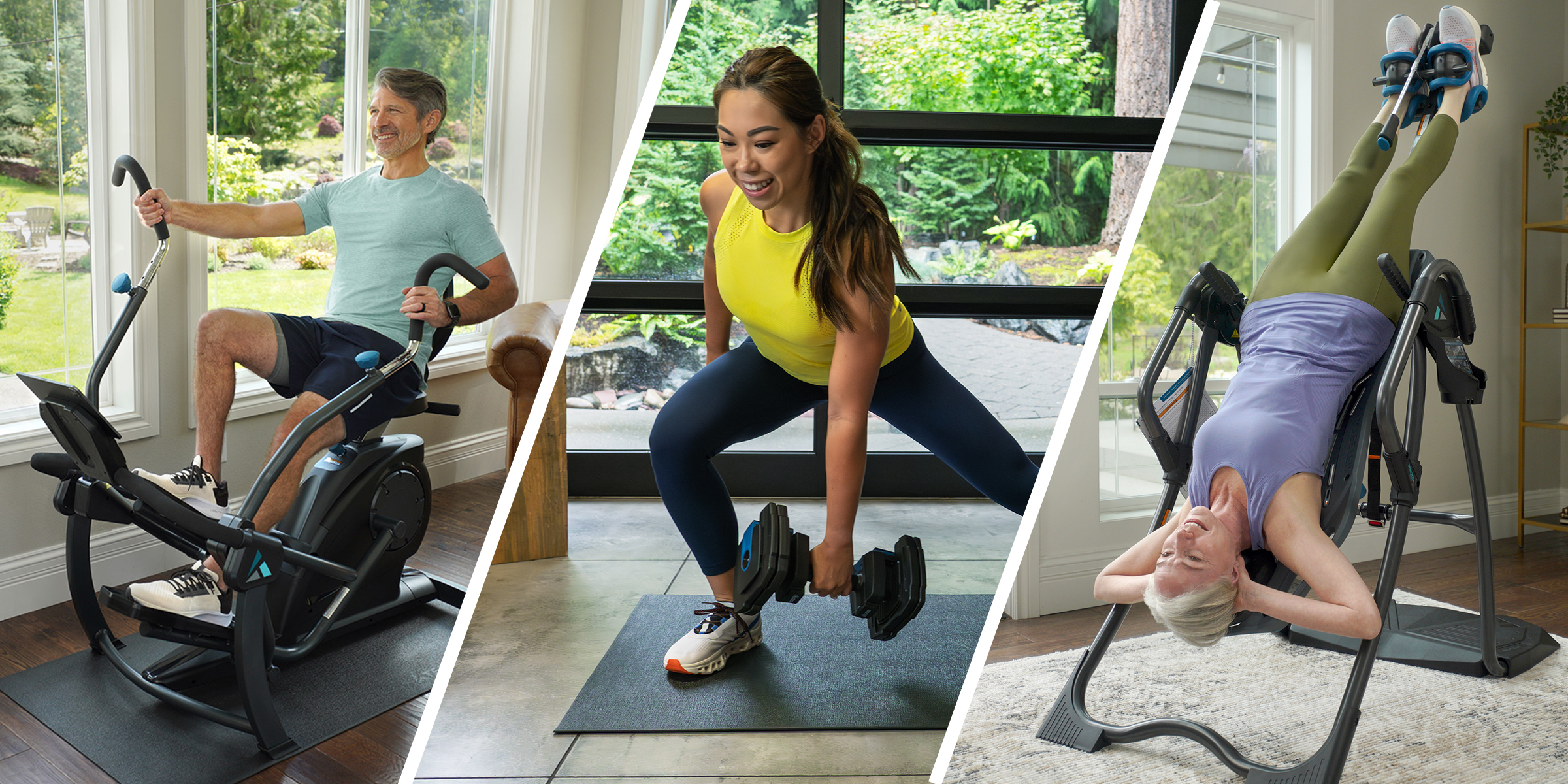
Most people have a type of movement they naturally gravitate toward. Maybe you go for a walk every morning, use a cardio machine a few times a week, lift weights, or stretch whenever your back feels tight. It’s good to keep those habits, but usually, just one kind of movement isn’t enough to meet all your body’s needs.
A good fitness routine doesn’t have to be intense, complicated, or involve long workouts. It simply needs to include activities that help your heart, your muscles, and allow your body to rest and recover.
That’s where the fitness triad comes into play. Cardio supports heart health and endurance. Strength training builds stability and support. Flexibility and recovery help your body move comfortably and recover from daily stresses. Together, these three elements create a well-rounded workout that can fit into everyday life.
Why Having Different Types of Exercise Is Important for a Well-Rounded Fitness Routine
Each type of movement requires different things from your body, and each one also offers different benefits in return. Cardio exercises get your heart and lungs working, helping you build the endurance you use during workouts and everyday activities. Strength training focuses on developing the muscles that support your joints, improve your posture, and balance.
You might also come across core exercises and balance workouts as part of good overall fitness advice, and they are important too. In many routines, they naturally overlap with the three main types of exercises. Strength training often supports your core and balance. Stretching and mobility exercises can make your movements easier and more flexible. Cardio workouts increase your stamina, helping you stay active for longer periods.
The goal is not to make your routine bigger for the sake of doing more. The goal is to make it more complete.
Cardio for Heart Health
Cardio, also known as aerobic exercise, is any activity that gets your heart pumping faster and keeps it working harder for a while. Walking, cycling, swimming, rowing, elliptical training, and seated cardio can all count.
A good goal for many adults is to do at least 150 minutes of moderate exercise each week. This might seem like a lot at first, but you can split it up into smaller sessions, like 30 minutes a day, five days a week. Some people aim for 300 minutes a week to gain extra health benefits or help with weight management, but you don’t have to start at that level.
The best cardio workout is usually the one you can do regularly. Keeping a steady, manageable pace can still help your heart, blood flow, endurance, and overall energy levels. Over time, doing cardio regularly can make everyday tasks feel easier, like walking up stairs, carrying bags, or staying active throughout a busy day.
Cardio also does not have to mean running or high-impact exercise. For many people, especially those managing joint discomfort, returning to movement after time away, or trying to build a routine they can stick with, low-impact cardio is more sustainable. Things like brisk walking, swimming, using a recumbent bike, or an elliptical machine can all get your heart pumping without putting too much stress on your joints.
Strength Training for Stability
Strength training is about more than building muscle; it helps support your daily movements.
Your muscles play a vital role in stabilizing your joints, maintaining proper posture, protecting your back, and ensuring balance. Strong leg muscles assist with activities such as climbing stairs, walking, and rising from a seated position. A strengthened core provides essential support for the spine. Additionally, increased upper-body strength aids in lifting, carrying, pushing, and pulling tasks.
Regular strength training can also help maintain muscle mass and support bone density, both of which become more important with age. As muscles naturally change over time, incorporating resistance-based movements can help the body remain strong, capable, and well-supported.
You do not need heavy barbells or access to a gym to experience the benefits of strength training. Controlled resistance exercises, light weights, adjustable dumbbells, resistance bands, bodyweight movements, or compact home gym equipment can all help build strength gradually. The goal is not to train like an athlete unless that is what you want. Instead, the goal is to move through everyday life with more stability and confidence.
Strength training also complements the other parts of your routine. Stronger muscles can make cardio feel smoother and safer. Improved stability can make stretching and mobility work feel more controlled. For a well-rounded program, strength training serves as a foundational support. Cardio helps maintain your activity level, while strength training promotes stability and overall support during exercise.
Stretching, Flexibility, and Spinal Decompression for Recovery
Recovery is an often overlooked component of a fitness routine, yet it plays a crucial role in maintaining comfortable movement. Flexibility exercises help your muscles and joints move through a full, healthy range of motion. Stretching tight hips, hamstrings, shoulders, and back muscles can make daily activities feel more manageable. Additionally, it can help counterbalance the effects of prolonged sitting, standing, exercising, or repeating the same movements.
Regular stretching can also help reduce everyday stress and tension. It gives your body a chance to slow down, breathe, and release areas that may feel tight from work, workouts, or daily routines.
Spinal decompression adds extra help for your back, especially during recovery. Throughout the day, your spine is under constant pressure from gravity, posture, sitting, standing, lifting, and moving. Gentle decompression can help relieve this pressure and encourage your back muscles to relax.
That’s why improving flexibility and using spinal decompression are natural parts of a balanced fitness routine. They aren’t just “extra” recovery steps; they support comfort and mobility, making cardio and strength exercises easier to do.
Two ways to include decompression at home are inversion therapy and supported back stretches. The main thing is to start slowly, pay attention to how your body feels, and avoid pushing into discomfort.
How to Combine Cardio, Strength, and Stretching in Your Week
A balanced routine doesn’t mean you have to do cardio, strength exercises, and stretching every single day. For most people, it’s easier to include each type of activity regularly throughout the week.
A simple way is to alternate between cardio and strength days so your body has time to rest and recover between more intense sessions. For example, your weekly schedule might include low-impact cardio two or three days, strength training two days, and short stretching or relaxation sessions most days.
You can also do a quick warm-up for 5 to 10 minutes before exercising and a brief cool-down afterward. Warming up gets your body ready to move, while cooling down helps your heart rate and muscles gradually return to normal. These small steps can make your routine feel more complete without adding much extra time.
The right balance depends on your personal goals, fitness level, daily schedule, and how your body feels. If your goal is heart health, focusing more on cardio might be best. If you feel weak, unsteady, or less confident with movement, adding strength exercises could help. If you wake up feeling stiff or have back stiffness, prioritizing recovery and gentle movement can be very helpful.
A good way to start is to look at what you already do and see what might be missing. If you already walk most days, you may not need to overhaul your cardio. You may just need to add strength training once or twice a week. If you already lift weights, you may benefit from more mobility and recovery work. If you only stretch when something hurts, adding gentle movement earlier may help you stay more consistent.
Making small changes is usually easier to stick with than trying to start a completely new routine all at once.
How Teeter Supports a Balanced Routine
Teeter equipment is designed to help support all three parts of a balanced routine at home, with a focus on low-impact movement, controlled strength, and recovery.
For cardio, the Teeter FreeStep Recumbent Cross Trainer offers a seated, zero-impact way to work the upper and lower body together. The Power10 Elliptical Rower adds a push-pull rowing motion for a full-body cardio workout that is still easier on the joints than many high-impact options.
For strength, the FitForm Home Gym supports controlled resistance training in a compact design, while the ProFlex 432 Adjustable Dumbbells make it easier to build strength without needing a full rack of weights. Both options can help support gradual, at-home strength work for different fitness levels.
For flexibility and spinal decompression, Teeter Inversion Tables and DEX II help support back stretching and decompression.

The Teeter Move app helps tie the routine together with guided classes for cardio, strength, and recovery. That makes it easier to build a routine that includes more than one type of movement without having to figure it all out on your own.
Build a Routine That Supports Your Whole Body
A balanced fitness routine doesn’t have to be bigger, tougher, or more complicated. It simply needs to help your body stay balanced and well-rounded. Cardio exercises support your heart and boost your stamina. Strength training helps you stay steady and confident in everyday activities. Stretching and gentle spine moves help your body recover and move more easily.
When all three are combined, exercise becomes less about ticking off items on a list and more about creating a strong foundation for feeling good, moving smoothly, and keeping active at home.
Create Your Balanced Routine at Home
From low-impact cardio to strength training and decompression, Teeter helps support your routine at home.

 Discover Teeter Blog