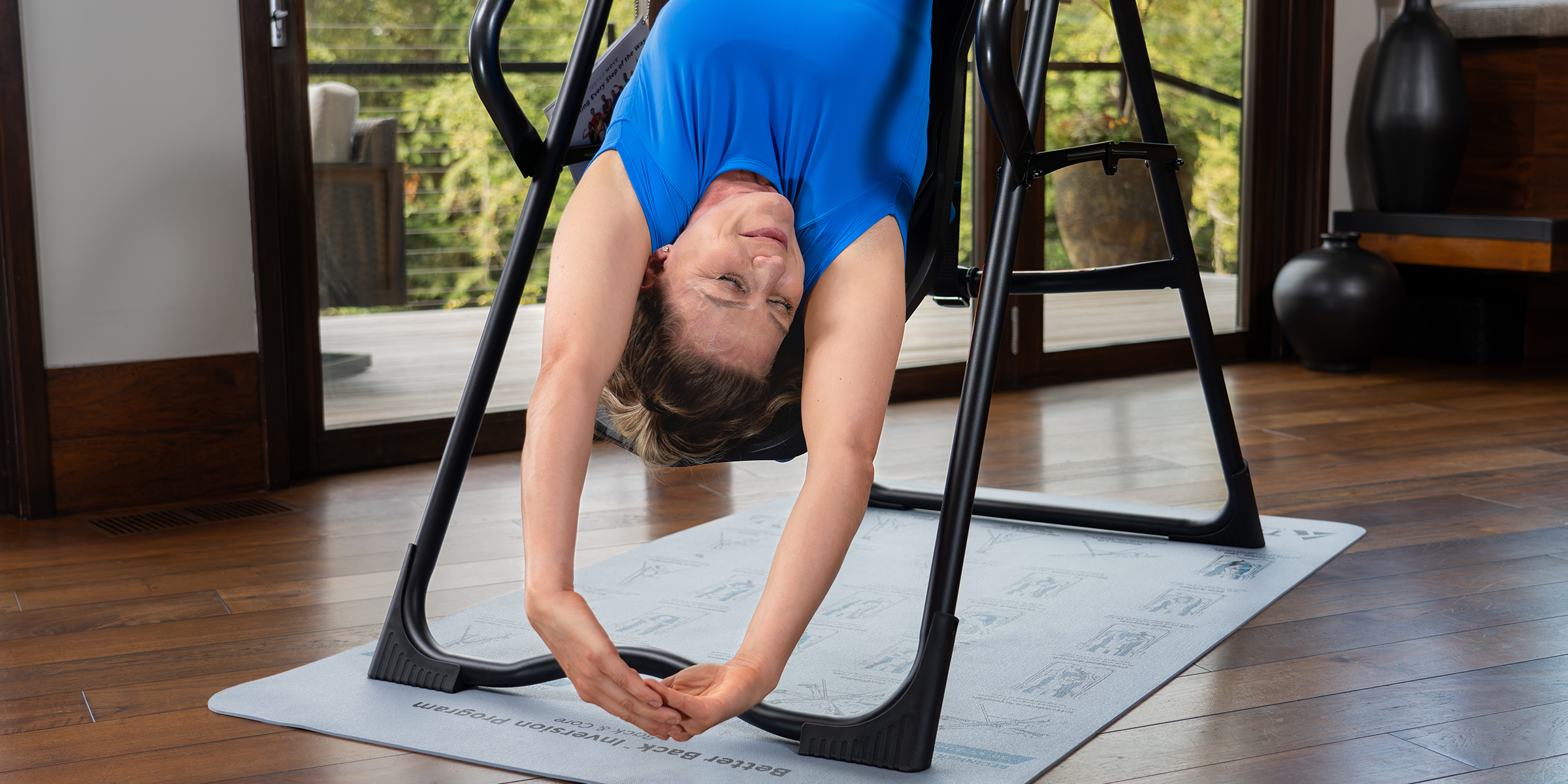
Most people see inversion therapy as a way to stretch out the spine, relieve back tension, and help tired muscles relax. However, body position can also influence how fluids move through the body. That’s why inversion is often discussed in relation to circulation and the movement of lymphatic fluid. Since the lymphatic system depends on movement, breathing, and gravity to keep fluids flowing, a common question is: can changing your position through inversion help maintain healthy lymphatic function?
Research supports a meaningful relationship between body position and fluid movement, including how the lymphatic system functions. While research on inversion therapy and lymphatic function is still limited, existing studies on posture, circulation, and fluid movement help explain why inversion is often included in recovery and mobility routines. Inversion therapy is not a standalone lymphatic drainage treatment, but it may support the natural processes involved in circulation and fluid movement throughout the body.
How the Lymphatic System Works
Your lymphatic system is a network of vessels, nodes, and tissues that runs throughout your body. Its main job is to collect excess fluid from your tissues, filter it through lymph nodes, and return it to your bloodstream. It also supports your immune system by moving white blood cells and removing waste products from your cells.
What makes the lymphatic system different from your circulatory system is that it doesn’t have a heart to pump the fluid. Instead, the tiny lymphatic vessels rely on a few natural mechanisms to keep fluid moving. The vessels themselves have small bands of smooth muscle in their walls that contract rhythmically. Everyday movement helps compress the vessels from the outside, pushing fluid along. Breathing also creates pressure changes in your chest that help draw lymph upward through a large vessel called the thoracic duct, where it then flows back into your bloodstream just below your collarbone.
According to the National Library of Medicine, one-way valves throughout the system prevent backflow, allowing fluid to keep moving in one direction even though much of it has to travel against gravity.
This is why movement matters. The more you walk, breathe deeply, and use your muscles, the more you encourage healthy lymphatic movement throughout the body. Long stretches of sitting, by contrast, can slow the process down.
Why Body Position Affects Fluid Flow
Much of your lymph fluid has to travel upward from your legs and lower body, working against gravity. This means your body position plays a role in how well your lymph flows.
A 2022 study published in Physiological Reports used near-infrared lymphography to measure lymphatic vessel activity in healthy adults under different postures. They found that when people stood up from lying down, the activity of the lymph vessels in the legs more than doubled. This shows that the lymphatic actively responds to changes in posture.
Other studies have looked into similar fluid systems in the body. A 2015 study in the Journal of Neuroscience found that body posture measurably affects the brain’s glymphatic system, the network responsible for clearing metabolic waste from brain tissue. Although this research focused on the brain, it supports a broader idea: body position can influence how fluids move throughout the body. When you change your posture, it impacts how your blood and lymph fluids flow. This helps explain why inversion may play a supportive role in circulation and recovery routines.
How Inversion Therapy Fits In
Inversion therapy involves positioning the body so the head is below the heart or feet. This position temporarily changes how gravity affects the venous and lymphatic systems returning fluid from your legs and torso to your upper body.
Research on inversion has documented several relevant physiological effects. A study by physiotherapist L.J. Nosse, published in Archives of Physical Medicine and Rehabilitation found that muscle activity along the spine decreased by more than 35% shortly after people inverted, even at a gentle angle. This suggests that inversion may help the muscles supporting the spine relax, which can create better conditions for movement, comfort, and circulation in the surrounding tissues.
Another study, published in the Journal of the Canadian Chiropractic Association, looked at how healthy adults responded during inversion. Researchers found that heart rate and blood pressure stayed stable, while spinal length increased and muscle activity decreased. The combination suggests that inversion can support muscle relaxation and decompression without disrupting normal cardiovascular function.
Slow, deep breathing may further support these effects. Breathing naturally creates pressure changes through the chest and abdomen, which helps move fluid through the body. Paired with the calming effect of inversion, this may help explain why many people describe inversion as both physically restorative and relaxing. This is also why inversion is often connected to muscle tension relief, especially for people who spend long hours sitting, standing, or repeating the same movements throughout the day.
What This May Mean for Recovery and Mobility
For most people, the main idea is that inversion therapy can be a helpful addition to an overall routine that includes regular movement. Your lymphatic system, which helps clear out waste and keeps fluids flowing, works best when you stay active. Doing things like walking, stretching, and taking deep breaths throughout the day helps keep your body fluids moving smoothly.
Inversion therapy can add extra benefits by supporting these habits. Decompressing the spine after a long workday, relaxing muscles that have stayed contracted for hours, and creating a brief shift in how gravity acts on the body can all aid in recovery and mobility.
Many people find that including short, regular inversion sessions to their active recovery routine helps them feel more relaxed and comfortable during everyday movements.
Adding Inversion to Your Routine with Teeter
Teeter has spent decades designing inversion equipment for comfortable, easy-to-use support at home. Two products fit naturally into a routine focused on circulation, recovery, and mobility.
Teeter FitSpine Inversion Tables
Teeter FitSpine inversion tables are FDA-registered as Class 1 medical devices, indicated for back pain, sciatica, muscle tension, herniated disc, degenerative disc disease, spinal stenosis, facet syndrome, and muscle spasms. Each model is also UL safety-certified, meaning it has passed independent third-party testing for structural integrity. The ability to easily adjust your angle lets you start at a gentle incline and increase as you become comfortable, so you can ease into inversion in a way that feels right for your body.
Teeter DEX II Inversion & Core Training System

Both options let you stay in control, so you can build an inversion practice that fits your comfort level and your goals. A better understanding of how inversion therapy helps relieve back pain safely can also make it easier to choose the approach that feels right for your body.
The lymphatic system is always working in the background, helping your body manage fluid, filter waste, and support immune function. While no single tool can replace the basics, like regular movement, deep breathing, hydration, and avoiding long stretches of sitting, body position can play a meaningful role in how fluid moves through the body.
That is where inversion therapy may fit in. By briefly changing body position and the effects of gravity, inversion can support the conditions your body already relies on for circulation, muscle relaxation, and recovery. For many people, it becomes a simple way to decompress, reset, and move through the day with more comfort.
A Simple Way to Decompress at Home
Teeter FitSpine inversion tables help you relax, decompress, and build a recovery routine that fits your body.

 Discover Teeter Blog