Back pain is one of the most common reasons people struggle with daily activities. Long hours of sitting, poor posture, muscle strain, and spinal compression can all contribute to discomfort that builds over long periods of time. The good news is that many people can find meaningful back pain relief at home using simple, evidence-based strategies.
Learning how to manage back pain at home safely can help lessen discomfort, improve your ability to move, and keep your spine healthy in the long run without relying on medication or frequent appointments.
What Causes Back Pain and Why It Often Gets Worse at Home
Most everyday back pain develops from a combination of spinal compression, poor posture, limited movement, and tight muscles. Gravity places constant downward pressure on the spine while sitting, standing, or lifting heavy objects. Over time, this pressure can irritate joints, nerves, and surrounding soft tissue, leading to muscle spasms, spinal pain, and a persistent dull ache.
Research on spinal loading shows that even lying down does not completely remove pressure from the spine. Sitting for long periods or bending forward (hunched at the computer or on the couch) can significantly increase spinal load, which helps explain why low back pain and chronic spinal pain often worsen at home rather than improve.
Understanding these factors is an important first step in creating an effective at-home treatment plan.
Evidence-Based Ways to Relieve Back Pain at Home
Most healthcare providers and physical therapy professionals recommend starting with conservative, low-risk approaches. These home remedies are widely supported by research and can help alleviate pain while supporting the healing process.
1. Move and Stretch Every Day
Gentle movement helps increase blood flow, relax tight muscles, and support the back muscles and core muscles that stabilize the spine. Staying inactive for a long time can make your muscles weaker and can also make pain worse, especially if you have chronic back pain.
Helpful options include:
- Light walking to promote circulation and increase blood flow
- Stretching the hips, hamstrings, and leg muscles to reduce pull on the lower back
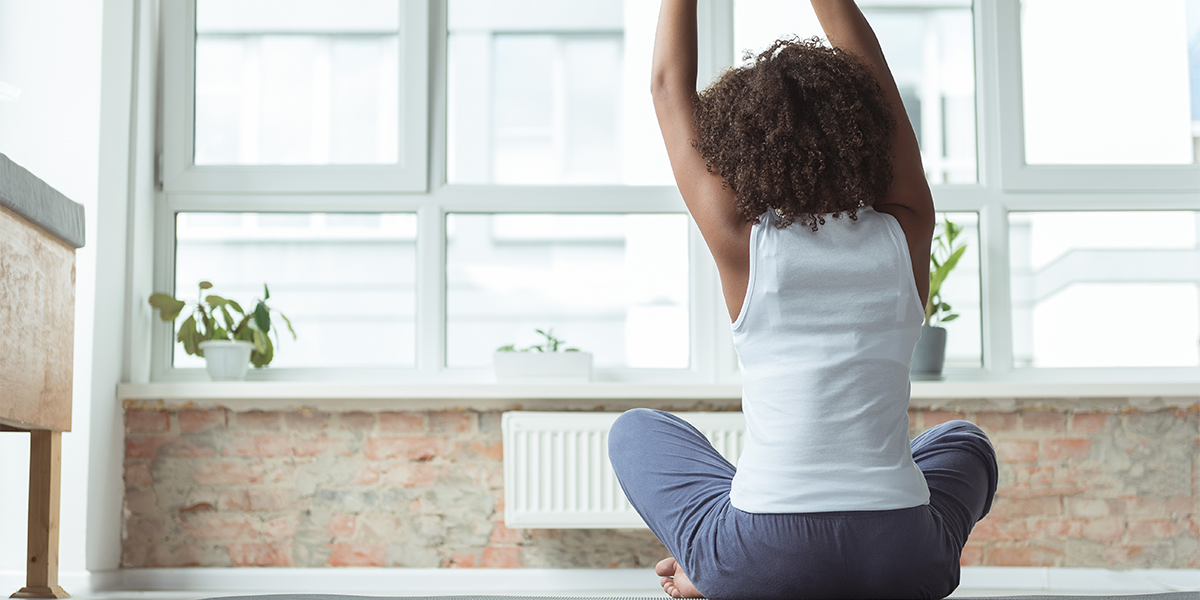
- Yoga or Tai Chi
Gentle movement and stretching help restore mobility and reduce stiffness, but long-term relief also depends on how well your muscles support your spine. When core and back muscles are weak, even simple daily activities can place extra strain on the spine. A balanced exercise program that strengthens the abdominal, torso, and back muscles helps stabilize the spine, reduce muscle strain, and maintain proper alignment. Even 5 to 10 minutes a day can provide fast back pain relief when done consistently.
2. Improve Posture and Daily Habits
Poor posture places unnecessary stress on the spine and surrounding muscle groups, especially during long periods of sitting or standing. Over time, this can contribute to spinal pain, muscle spasms, and future back pain episodes.
At home or at a desk:
- Keep feet flat on the floor and maintain proper support
- Avoid slouching or rounding the shoulders
- Take short movement breaks every 30 to 60 minutes
Sleeping posture also matters. Using spine support that maintains a neutral position during rest can improve comfort and promote a good night’s sleep.
3. Use Heat or Cold Therapy
Heat therapy helps relax muscles, reduce muscle pain, and increase circulation to affected areas. A hot water bottle or heating pad may be helpful for tight muscles and stiffness.
Cold therapy can reduce swelling and severe inflammation, particularly after activity or muscle strain. Alternating between heat and cold is a common approach used to reduce pain and support recovery.
These methods often provide temporary relief but can be useful as part of a broader home routine.
4. Stay Hydrated and Support Tissue Health
Hydration plays an important role in spinal health. Spinal discs and joints rely on fluid movement to maintain flexibility and absorb pressure created by the body’s weight.
Drinking enough water and consuming anti-inflammatory foods may help support joint pain management and reduce stiffness. Proper hydration also supports muscle function and recovery.
Gentle Spinal Decompression at Home
Spinal decompression focuses on relieving pressure along the spine and supporting correct spinal alignment. By reducing compression, decompression techniques may help alleviate pain, improve mobility, and support spinal health.
At home, decompression may be achieved through:
- Guided stretching routines that gently lengthen the spine
- Resting positions that help reduce pressure and keep the spine aligned
- Devices designed to provide controlled support and traction
Inversion Therapy as a Decompression Option
Inversion therapy is one method of spinal decompression that uses gravity and the body’s weight to help relieve pressure on spinal structures. By gently tilting the body, inversion may temporarily reduce compression on discs and nerves.
A 2021 clinical study published in the Journal of Physical Therapy Science involving individuals with chronic back pain and lumbar disc conditions found that structured inversion programs were associated with improved physical function and reduced pain episodes over time.

- Relieve pressure along the spine
- Improve flexibility and muscle endurance
- Support circulation and tissue recovery
While inversion therapy can be helpful for many people, it may not be the right fit for everyone. Individuals with existing health conditions such as cardiovascular disease, glaucoma, or balance concerns should consult a healthcare professional before using inversion or similar alternative treatments.
Tools That Can Support Back Pain Relief at Home
In addition to movement and stretching, at-home tools can support massage therapy, spinal decompression, and muscle relaxation. These tools may be used independently or as part of a broader routine, depending on individual needs and guidance.
Teeter provides several at-home solutions to help with different types of back discomfort:
- Inversion tables, which support controlled spinal decompression by using body weight and gravity to help relieve pressure along the spine
- The P2 Back Stretcher is designed to provide targeted spinal stretching and traction without inversion
- Massage and recovery tools are intended to help relax tight muscles, improve circulation, and support recovery during pain flare-ups
Teeter designs FDA-Registered inversion tables and supportive equipment intended to help improve movement, posture, and support physical therapy when used correctly.
A Simple Back Pain Relief Routine to Try Today
- Walk or move lightly for 5 minutes to increase blood flow and gently warm up the muscles that support your spine
- Stretch hips, legs, and low back with slow, controlled movements to ease tension and reduce strain
- Practice deep, steady breathing to calm the nervous system and encourage tight muscles to relax
- Apply heat therapy or cold as needed, depending on what feels best for your body, to help manage soreness and inflammation
- Use gentle decompression or stretching tools for a few minutes in the morning and evening to help relieve pressure and support spinal health
Choosing a set time of day or keeping the routine short and manageable can help make it easier to stick with. When practiced consistently, even a short daily routine can help reduce pain, improve mobility, and may lower the risk of future back pain episodes.
Relieving Back Pain at Home with Confidence
Relieving back pain at home doesn’t have to involve complicated or extreme steps. By staying active, being mindful of your posture, practicing relaxation methods, and using helpful therapies, many people can ease their pain and keep their spine healthier in a safe and simple way.
Knowing how to handle pain flare-ups, when to ask for professional help, and how to support your recovery gives you the confidence to take charge of your back health, all from the comfort of your home.
Explore At-Home Back Pain Relief from Teeter
Inversion tables and recovery tools designed to support safe, effective relief at home.

 Discover Teeter Blog