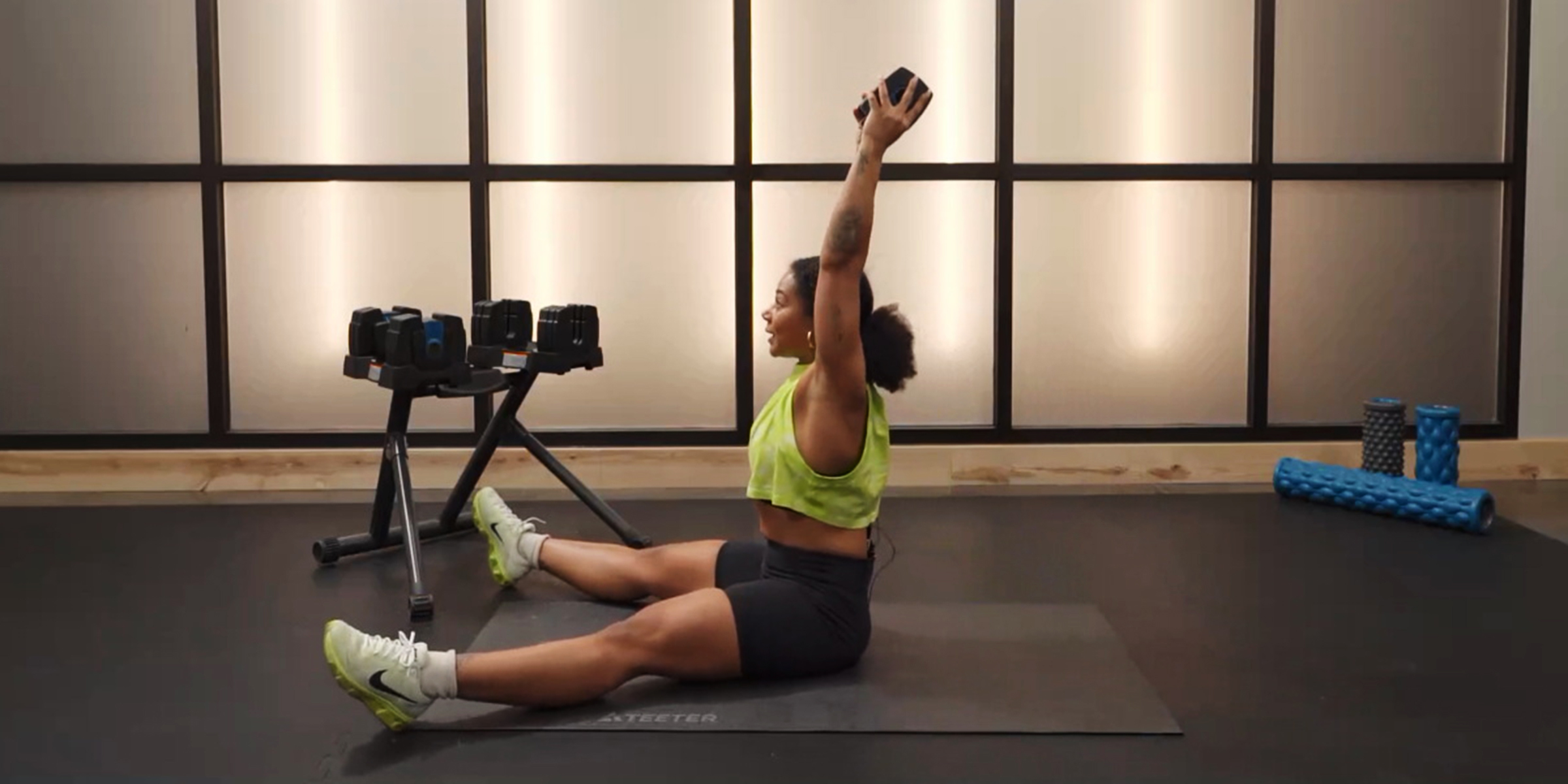
Starting a fitness routine does not mean jumping straight into intense workouts or high-intensity activity. In fact, one of the most common reasons people abandon an exercise routine is trying to do too much before their body is ready.
Whether you’re starting exercise for the first time, coming back after a long break, or trying to get back into a regular routine, starting gently can help prevent injuries and make it easier to stay motivated. A successful fitness journey starts with setting realistic goals and creating a schedule that fits into your everyday life.
With low-impact workouts, guided strength training, and support from the Teeter Move App, it is possible to build a workout routine that supports your fitness level today while leaving room to gradually increase intensity as your body adapts.
Start Where Your Body Is Today
Many people delay starting a fitness program because they feel they are not “in shape enough” yet. In reality, the best workout plan is one that meets your body where it is right now.
Your current fitness level may come with tight muscles, limited range of motion, or lower energy levels. That is a normal part of starting a new routine, especially after a long break from regular exercise.
If you have health concerns, recent injuries, or ongoing pain, it might be a good idea to talk to a doctor or a fitness professional before starting a new exercise routine. Once you get the okay to move forward, focus on moving safely, doing controlled movements, and learning to listen to your body as you begin exercising again.
Choose Low-Impact Movement for More Support

Teeter equipment is designed to support beginners and those easing back into regular physical activity:
- The Teeter FreeStep offers low-impact cardio that engages both the upper body and lower body while minimizing joint strain.
- The Teeter Power10 provides a full workout that combines resistance training with smooth, controlled motion for total-body engagement.
- The Teeter FitForm supports guided strength training exercises using controlled resistance, helping users maintain proper form while targeting major muscle groups.
- Teeter inversion tables support mobility exercises and spinal decompression, helping improve flexibility and reduce tension that can build up during daily routines.
Start Slow and Keep Sessions Short
Shorter sessions are often more effective than long, exhausting workouts when starting a new exercise routine. Beginning with 10 to 20 minutes, three to four times per week, helps establish consistency without overwhelming your body.
Early workouts may include:
- Low-impact cardio sessions
- Resistance training using lighter resistance or lower weights
- Short mobility exercises focused on improving range of motion
This method matches the recommended physical activity guidelines, which focus on moving regularly rather than how hard you exercise, especially for those just starting out.
Focus on Proper Form and Controlled Movements
Learning proper form early in your fitness journey helps prevent injuries and builds confidence, especially during strength training.
Teeter equipment and guided workouts emphasize:
- Controlled movements rather than fast or jerky motions
- Full range of motion when appropriate
- Balanced strength development across major muscle groups
This is particularly helpful for beginners who may feel intimidated by traditional gym equipment or unfamiliar strength training exercises. Maintaining good form protects your muscles and joints while allowing you to feel challenged in a safe, manageable way.
Use Structure and Goals to Stay Consistent
One of the biggest challenges when starting or restarting a fitness routine is knowing how much to do and how to progress over time. Without structure, it is easy to do too much one week and then stop altogether the next.

Inside the app, you can:
- Set weekly workout goals, tracking how many workouts you want to complete
- Track active days, focusing on regular movement throughout the week
- Schedule workout reminders, so exercise fits into your routine instead of being forgotten
- View progress over time, making it easier to stay motivated and adjust as needed
Rather than pushing you toward intense workouts, the app encourages steady, achievable habits that support long-term success.
Follow a Guided Path With the Find Your Fit Series
For those who prefer a clear starting point, the Teeter Move App includes the Find Your Fit series. These guided programs are designed to help you ease into regular exercise with a clear sense of progression.
Find Your Fit workouts:
- Offer a variety of workout options, making it easier to get started
- Follow a clear progression over time, with thoughtfully sequenced workouts
- Align with different workout frequencies and durations, helping you choose a routine that fits your schedule
- Provide guidance without locking you into a rigid plan, so you can build confidence at your own pace
This structured approach is especially helpful if you are returning to exercise after a long break, managing joint concerns, or simply want guidance without committing to a rigid schedule.
Build Consistency Before Intensity
High-intensity interval training and intense workouts can be effective for experienced exercisers, but they are not required to see results. For beginners, consistency matters more than intensity.
Showing up for regular physical activity builds habits that last. Completing manageable workouts several times per week is more effective than occasional bursts of high-intensity exercise followed by long gaps.
The Teeter Move App reinforces this approach by tracking completed workouts and days active, helping you focus on consistency as the foundation for long-term progress.
Make Active Recovery and Mobility Part of the Routine
Rest days are a regular part of any exercise routine – and that doesn’t necessarily mean doing nothing. Active recovery focuses on gentle movement that helps your body reset, stay mobile and avoid injuries.
Active recovery may include:
- Light mobility exercises
- Short inversion sessions for back care
- Dynamic stretches like arm circles and leg swings
- Gentle movement to support circulation
These practices help improve flexibility, maintain range of motion, and support overall fitness without adding strain.
Staying hydrated, allowing rest days, and listening to your body are essential habits that support both physical and mental health.
What Progress Looks Like in the First Weeks
Progress does not always show up as weight loss or visible muscle changes right away.
Early benefits often include:
- Improved energy levels
- Less stiffness during daily activities
- Greater comfort using exercise equipment
- Increased confidence in your exercise routine
These changes are normal for building a sustainable fitness program and often lead to long-term improvements in strength and mobility.
Adjust as Needed and Stay Motivated
Missing a workout or taking time off does not mean you have failed. Fitness is not an all-or-nothing process.
If you return after a long break, start slowly again with shorter sessions or reduced resistance. The beginner-friendly options in the Teeter Move App make it easy to adjust your routine, modify goals, and continue progressing without starting over.
Staying motivated comes from choosing movement that feels supportive, enjoyable, and realistic. Fitness should enhance daily life, not compete with it.
Start Moving With Confidence at Home
Browse low-impact exercise equipment that make it easier to start and stick with a fitness routine at home.

 Discover Teeter Blog