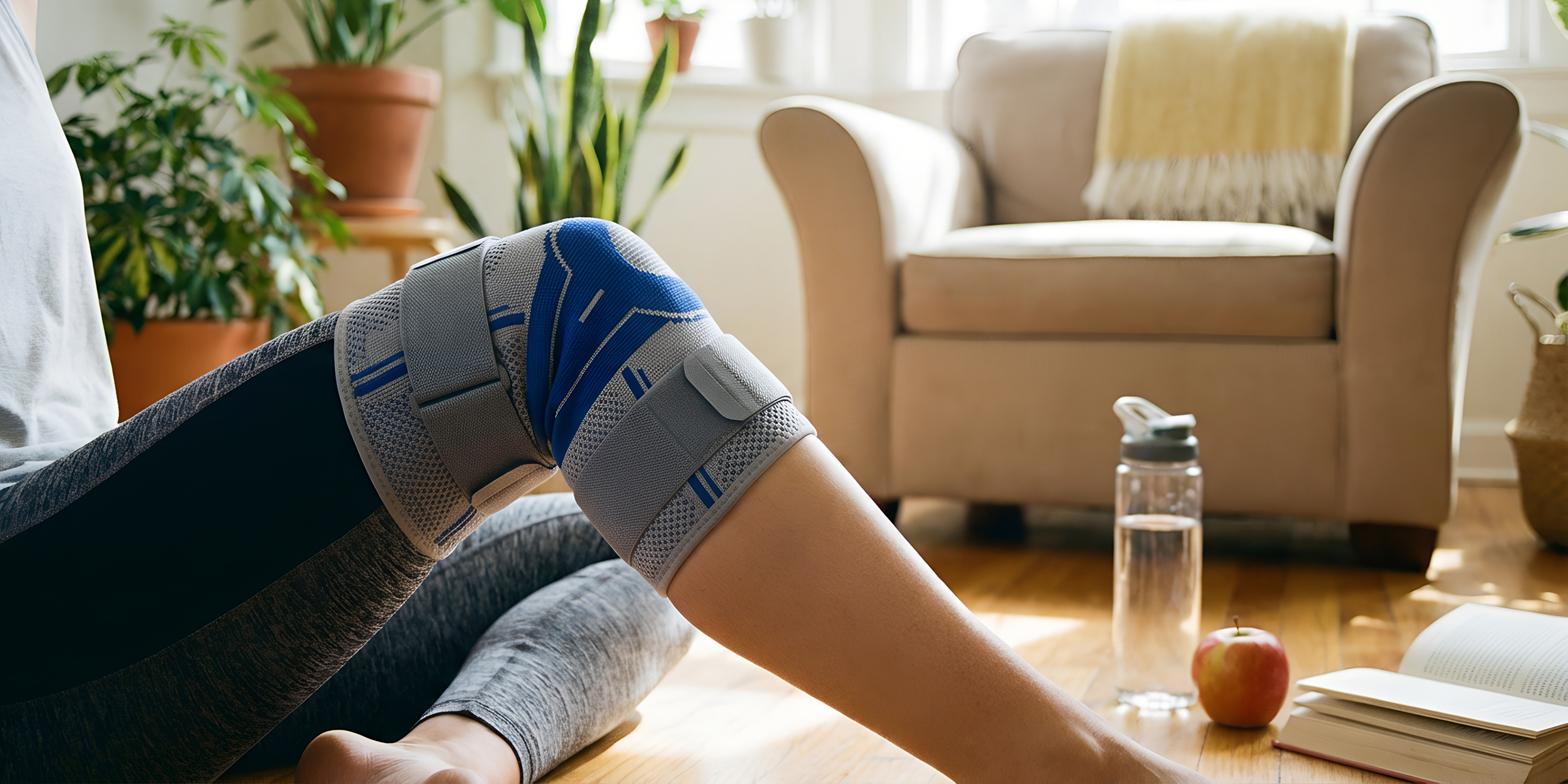
Recovering from a joint replacement, whether it is your knee, hip, or shoulder, does not stop when formal physical therapy ends. In fact, what you do to supplement your PT or in the weeks and months after PT often plays a major role in how strong, mobile, and confident you feel long term.
Continuing gentle, guided movement at home helps preserve the progress you worked hard to achieve in therapy and supports ongoing recovery as you ease back into regular movement and activity. The key is choosing at-home exercise equipment that supports recovery safely, without placing unnecessary stress on a new joint.
Why Exercise Still Matters After Physical Therapy Ends
Joint replacement surgery helps fix the structure of your joint, but moving it regularly is what keeps it working well. After the surgery, it’s important to keep moving your joint in a gentle and steady way to stay flexible, balanced, and strong. Clinical research and rehabilitation guidelines consistently show that continued exercise after joint replacement improves long-term outcomes. A 2019 randomized clinical trial published in JAMA Network Open found that individuals who followed a structured exercise program after completing formal knee replacement therapy experienced greater improvements in strength, mobility, and physical function than those who stopped exercising altogether.
Ongoing, low-impact exercise after joint replacement can help:
- Restore and maintain range of motion
- Reduce stiffness and swelling
- Improve strength and balance
- Support long-term joint function and independence
The challenge for many people is not whether to keep exercising, but how to do so safely at home without aggravating or overloading the joint.
(Source: Bade et al., JAMA Network Open, 2019;2(8):e199187.)
What to Look for in At-Home Exercise Equipment After Joint Replacement
When selecting equipment for post-rehabilitation use, prioritize support, smooth motion, and adjustability. The best machines should:
- Minimize or eliminate impact to protect your replaced joint from excess load
- Support proper body alignment to prevent compensatory strain
- Allow adjustable resistance for gradual strength building
- Engage multiple muscle groups to restore balance and stability
Traditional treadmills involve repetitive impact and can place added stress on healing joints. Upright bikes, while commonly used in rehab, require a more flexed joint position and greater balance control, which may feel uncomfortable or limiting for some people during early recovery.
Equipment designed for zero-impact movement, meaning motion that avoids joint compression and impact forces altogether, can offer a more supportive alternative for continuing physical therapy at home.
Why the Teeter FreeStep Is Well Suited for Post–Joint Replacement Recovery
The Teeter FreeStep® Recumbent Cross Trainer was designed specifically to support joint-friendly movement. Its patented linear stepping motion helps reduce shear forces and joint compression, while the seated, reclined position keeps the body fully supported throughout the exercise.
For individuals continuing physical therapy at home, this design offers several important benefits:
- Zero-impact movement, helping protect hips, knees, and ankles from excess stress
- Smooth, guided motion that mirrors patterns commonly used in rehabilitation settings
- Recumbent stepping, meaning the user exercises in a seated position with back support, reducing balance demands
- Full-body engagement that strengthens the legs, arms, and core together
- Adjustable resistance for gradual, controlled progression as strength improves
Recumbent stepping is often used in physical therapy and recovery programs because it provides the good cardiovascular and muscle-strengthening effects of walking or cycling, but without putting too much pressure on the joints or causing balance issues during healing.
How to Incorporate the FreeStep Into Your Routine

A general starting framework may include:
- Warm up: Begin with 3 to 5 minutes of gentle stepping at low resistance.
- Build gradually: Increase resistance slowly as tolerated, focusing on smooth, controlled movement.
- Stretch: Gently stretch the hips, quadriceps, hamstrings, and calves to support mobility
- Adjust as needed: Many people aim for 15 to 20 minutes, 3 to 5 days per week, but duration and frequency should be adjusted based on comfort and recovery stage.
The Teeter Move App provides guided, low-impact workouts designed to support safe, structured movement at home, including options appropriate for recovery-focused exercise.
Continuing Recovery with Confidence at Home
Completing physical therapy does not mean recovery is finished. With the right approach and the right equipment, you can continue building strength, improving mobility, and supporting your new joint in a safe, controlled way – both between therapy sessions and after outpatient care ends.
There are several types of low-impact exercise tools available for home use, but zero-impact, recumbent options are often preferred during joint replacement recovery because they prioritize joint protection and stability.
If you are looking for the best at-home exercise equipment after joint replacement, the Teeter FreeStep offers a supported, zero-impact way to stay active using movement principles commonly applied in rehabilitation settings.
Explore the Teeter FreeStep Recumbent Cross Trainer to continue your recovery journey with comfort, confidence, and control.
Exercise that Feels better on Your Joints
Explore zero-impact equipment designed to help you stay active while reducing stress on your joints.

 Discover Teeter Blog